
From Spreadsheets to Systems: Why Manual Compliance Tracking No Longer Works for Small Businesses
- Dec 19, 2025
- 4 min read
Manual compliance tracking using spreadsheets may have worked for small businesses in the past, but today it creates more problems than it solves. As regulations grow more complex and the cost of non-compliance rises, relying on spreadsheets leaves businesses vulnerable to errors, inefficiencies, and missed deadlines. Small businesses need to move beyond manual methods and adopt automated compliance tracking systems to stay organised, reduce risk, and save time.
This post explores why spreadsheets no longer meet the demands of compliance management, the risks involved in manual tracking, and how automated systems can transform compliance processes for small businesses.
Why Manual Compliance Tracking Falls Short
Many small businesses start tracking compliance requirements with spreadsheets because they are familiar, inexpensive, and flexible. However, spreadsheets have significant limitations when it comes to managing compliance:
Human error: Manual data entry leads to mistakes such as typos, missed updates, or incorrect formulas. These errors can cause inaccurate records and missed compliance deadlines.
Lack of real-time updates: Spreadsheets do not automatically update when regulations change or new requirements arise. This means businesses may unknowingly fall out of compliance.
Poor collaboration: When multiple people need to access or update compliance data, spreadsheets can cause version control issues and confusion.
Limited tracking and reporting: Spreadsheets do not provide automated alerts, audit trails, or easy reporting features, making it difficult to monitor compliance status or prepare for audits.
Scalability issues: As a business grows, the volume and complexity of compliance data increase. Spreadsheets become unwieldy and inefficient for managing large datasets.
For example, a small food manufacturer tracking safety inspections and certifications in a spreadsheet might miss renewal dates or fail to document corrective actions properly. This can lead to fines, product recalls, or damage to reputation.
The Risks of Relying on Spreadsheets for Compliance
Using spreadsheets for compliance tracking exposes small businesses to several risks:
Regulatory penalties: Missing deadlines or failing to meet requirements can result in fines, legal action, or business shutdowns.
Operational disruptions: Non-compliance can cause delays, forced recalls, or loss of licenses, disrupting daily operations.
Data loss: Spreadsheets stored locally or shared via email risk accidental deletion, corruption, or unauthorized access.
Inefficient use of resources: Employees spend excessive time manually updating spreadsheets instead of focusing on core business activities.
Poor decision-making: Without accurate, up-to-date compliance data, management cannot make informed decisions or respond quickly to regulatory changes.
A case study from a small construction company showed that after switching from spreadsheets to an automated compliance system, they reduced compliance-related errors by 70% and saved 15 hours per week on administrative tasks.
How Automated Compliance Tracking Systems Help Small Businesses
Automated compliance tracking systems offer features that directly address the shortcomings of spreadsheets:
Centralised database: All compliance data is stored securely in one place, accessible to authorized users anytime.
Automated alerts and reminders: The system sends notifications for upcoming deadlines, renewals, or required actions.
Real-time updates: Changes in regulations can be integrated quickly, ensuring compliance requirements are always current.
Audit trails and reporting: Detailed logs track who made changes and when, supporting audit readiness and transparency.
Collaboration tools: Multiple users can work simultaneously without version conflicts.
Integration capabilities: These systems can connect with other business software like HR, finance, or inventory management for seamless workflows.
For instance, a small healthcare provider using an automated compliance platform was able to track staff certifications, patient privacy policies, and equipment maintenance schedules all in one system. This reduced compliance risks and improved operational efficiency.

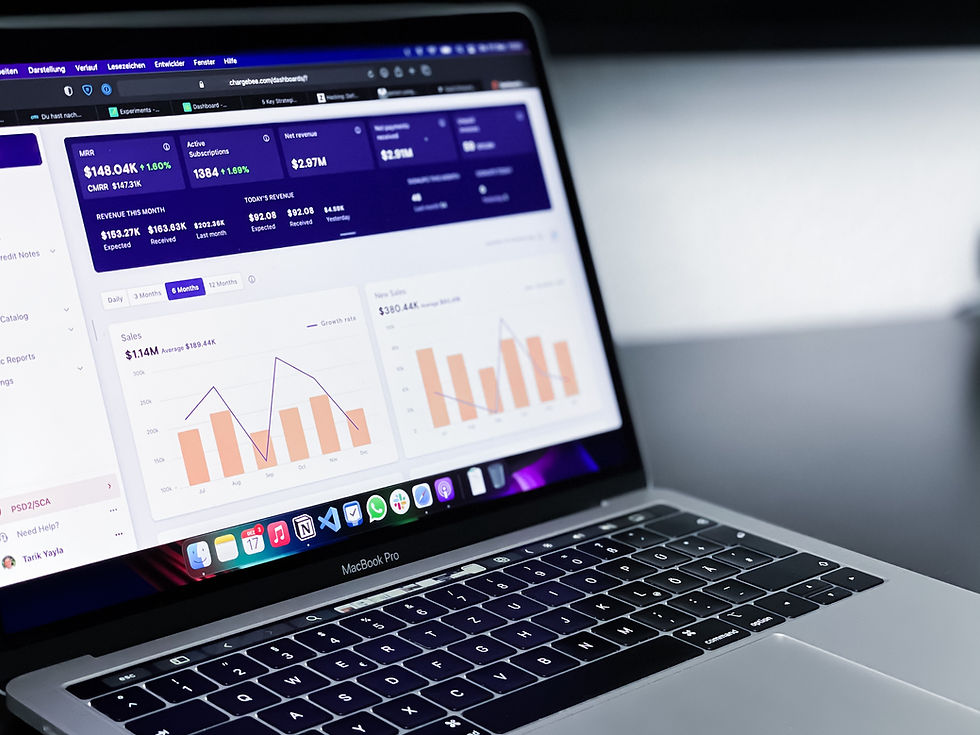
Automated compliance tracking software helps small businesses monitor requirements and deadlines in real time.
Steps to Transition from Spreadsheets to Automated Systems
Making the switch to automated compliance tracking requires planning and commitment. Here are practical steps small businesses can take:
Assess current compliance needs: Identify all regulations, deadlines, and documentation your business must manage.
Evaluate software options: Look for solutions designed for small businesses with features that match your needs and budget.
Plan data migration: Clean up existing spreadsheet data and prepare it for import into the new system.
Train staff: Ensure employees understand how to use the new system and the benefits it offers.
Set up alerts and workflows: Customize notifications and approval processes to fit your business operations.
Monitor and improve: Regularly review compliance status and system performance to make adjustments as needed.
Small businesses that take these steps often find the transition smoother and experience faster returns on their investment.
Benefits Beyond Compliance
Automated compliance tracking systems do more than just reduce risk. They also provide additional advantages:
Time savings: Automation frees up staff from repetitive tasks, allowing focus on growth and customer service.
Improved accuracy: Reducing manual entry minimizes errors and increases confidence in compliance data.
Better visibility: Dashboards and reports give management a clear picture of compliance status at any time.
Stronger reputation: Consistent compliance builds trust with customers, partners, and regulators.
Cost savings: Avoiding fines and operational disruptions saves money in the long run.
For example, a small financial advisory firm reported that after adopting automated compliance software, they cut compliance-related costs by 30% and improved client satisfaction through faster response times.
Manual compliance tracking may feel familiar, but for many small businesses it has become a barrier to efficiency, accuracy, and growth. Spreadsheets struggle to keep up with increasing compliance demands, version control issues, and the need for real-time visibility. Moving to structured systems allows organisations to reduce risk, save time, and shift focus from administration to value-adding work.
By transitioning from spreadsheets to simple, well-designed compliance systems, small businesses can gain clearer oversight, stronger accountability, and more consistent outcomes, without the cost or complexity of enterprise software. Leveraging tools already available within Microsoft 365 makes this shift both achievable and affordable.
Ready to move beyond spreadsheets?
AdelaideISO helps small and mid-sized businesses replace manual compliance tracking with practical, self-managed systems built in Microsoft 365. If you’re ready to simplify compliance and improve efficiency, get in touch to discuss how AdelaideISO can help.


Comments